

 English


Blog

2026-03-21 15:26:17
As global environmental standards become increasingly strict,automotive manufacturers must carefully evaluate the compliance of every material used in production—including Cutting Oil for stainless steel.These regulations are especially important for companies exporting automotive parts to international markets such as Europe and North America.
One of the most well-known regulatory frameworks is REACH(Registration,Evaluation,Authorisation and Restriction of Chemicals)in the European Union.REACH requires manufacturers to ensure that the chemical components in Cutting Oil for stainless steel do not contain hazardous substances above permitted levels.Substances such as chlorinated paraffins or certain sulfur-based additives may face restrictions,especially if they pose risks to human health or the environment.
Another critical directive is RoHS(Restriction of Hazardous Substances),which limits the use of specific toxic materials.While RoHS is often associated with electronics,it also impacts automotive supply chains,particularly for components that integrate electrical systems.Using compliant Cutting Oil for stainless steel helps ensure that final products meet these requirements.
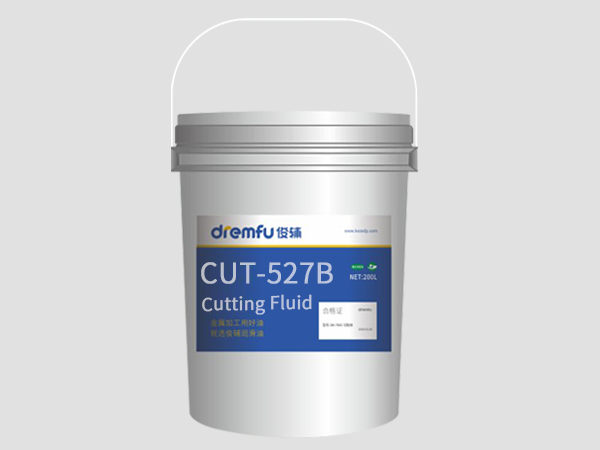
In addition,many countries enforce strict rules regarding waste disposal and wastewater treatment.During machining processes,used Cutting Oil for stainless steel can become contaminated with metal particles and chemicals.Automotive factories must implement proper filtration,recycling,and disposal systems to prevent environmental pollution.Failure to comply can result in fines and production delays.
The trend toward sustainability has also driven the adoption of eco-friendly alternatives.Biodegradable and low-toxicity cutting oil for stainless steel is increasingly preferred,as it reduces environmental impact while maintaining machining performance.These products not only help companies meet regulatory requirements but also improve workplace safety by minimizing harmful fumes and skin irritation.
Furthermore,ISO standards such as ISO 14001(Environmental Management Systems)encourage automotive manufacturers to continuously monitor and reduce their environmental footprint.Selecting the right cutting oil for stainless steel plays a role in achieving these certification goals.
In conclusion,environmental regulations for cutting oil for stainless steel in auto manufacturing cover chemical composition,workplace safety,waste management,and sustainability.By choosing compliant and eco-friendly solutions,manufacturers can meet global standards,reduce risks,and strengthen their competitiveness in the international automotive market.

Guangdong Junfu Lubrication Technology Co., Ltd. is a private science and technology enterprise integrating independent research and development, production, sales and service.
Copyright © 2026 Guangdong Junfu Lubrication Technology Co., Ltd. All rights reserved.