

 English


Blog

2026-04-08 09:14:52
As manufacturing technologies evolve, the debate over whether synthetic Wire Drawing Oil is better than traditional lubricants continues to gain attention. Synthetic formulations are designed to offer enhanced stability, improved lubrication, and greater consistency under demanding production conditions. Compared to conventional mineral-based oils, synthetic Wire Drawing Oil typically provides superior thermal resistance, allowing it to perform more effectively in high-speed and high-temperature environments.
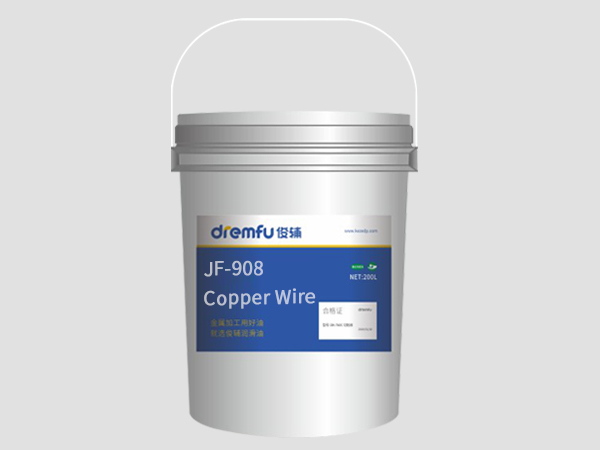
One of the key advantages of synthetic Wire Drawing Oil is its ability to maintain stable viscosity over time. This ensures consistent lubrication throughout the drawing process, reducing friction and minimizing wear on both the wire and the dies. As a result, manufacturers often experience improved surface finish quality and longer tool life. In addition, synthetic oils tend to produce less residue and buildup, which helps keep equipment cleaner and reduces maintenance requirements.
However, traditional lubricants still remain widely used due to their lower initial cost and familiarity in many production settings. For operations with less demanding conditions, conventional Wire Drawing Oil may provide sufficient performance without the need for higher investment. The choice often depends on specific production needs, including material type, drawing speed, and environmental considerations.
Another important factor is sustainability. Many synthetic Wire Drawing Oil products are formulated to be more environmentally friendly, with reduced emissions, lower toxicity, and improved biodegradability. This aligns with the increasing focus on green manufacturing and regulatory compliance.
In conclusion, while synthetic Wire Drawing Oil offers clear performance and environmental advantages, the decision ultimately depends on balancing cost, efficiency, and operational requirements.

Dongguan Keze New Materials Co., Ltd. is a private science and technology enterprise integrating independent research and development, production, sales and service.
Copyright © 2026 Guangdong Junfu Lubrication Technology Co., Ltd. All rights reserved.