

 English


Blog

2026-06-17 14:47:13
In machining workshops,stainless steel drilling is considered a high-risk operation due to its tendency to generate heat,vibration,and tool wear.Experienced machinists usually select stainless steel Cutting Oil based on the drilling depth,speed,and tool material rather than using a universal lubricant.
In practical engineering applications,EP-based Cutting Fluid for stainless steel is commonly used.These fluids contain sulfur or chlorine additives that form a protective layer between the tool and workpiece.This is especially important during deep hole drilling,where pressure buildup is significantly higher.
From a field perspective,operators often notice that standard oils fail quickly under stainless steel drilling conditions.This results in chip welding or drill tip burning.To avoid this,most production lines use metal cutting fluid stainless steel formulations specifically designed for extreme pressure machining.
In CNC manufacturing environments,machining fluid stainless steel also plays a role in chip evacuation.Without proper lubrication,chips tend to stick to the drill flutes,increasing friction and causing unstable cutting torque.This is one of the most common reasons for drill breakage in real production.
Some engineers prefer water soluble cutting fluids for high-speed drilling because they provide better cooling.However,in low-speed heavy load operations such as thick plate drilling,Cutting Oils with higher lubricity are still preferred.This selection is usually based on machining experience rather than theory alone.
In real factory conditions,choosing the right Stainless Steel Cutting Oil directly affects production efficiency.A stable cutting process reduces machine downtime,improves hole accuracy,and extends tool life significantly.
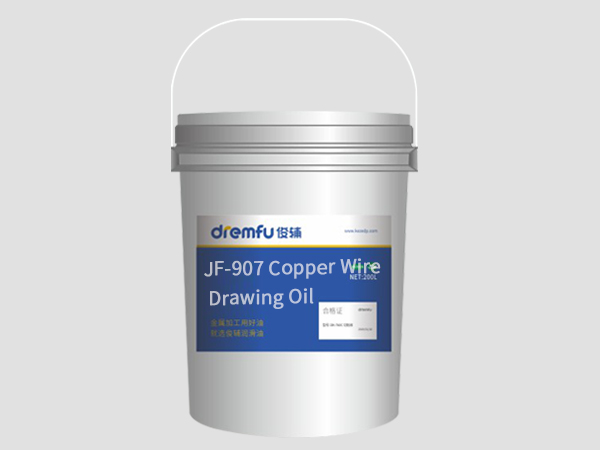
EP-based cutting oils designed for high pressure machining
Because heat and friction cause tool edge breakdown and chip welding
It depends on speed and load,but heavy drilling often requires oil-based fluids
Cooling,lubrication,and chip control under high stress conditions

Dongguan Keze New Materials Co., Ltd. is a private science and technology enterprise integrating independent research and development, production, sales and service.
Copyright © 2026 Guangdong Junfu Lubrication Technology Co., Ltd. All rights reserved.