

 English


Blog

2025-12-02 18:13:48
Achieving optimal performance from Inner Circle Cutting Fluid begins with correct dilution and mixing.Even the most advanced cutting fluids can deliver poor results when mixed improperly,leading to tool wear,unstable lubrication,residue buildup,corrosion,and unexpected machining problems.For companies using Inner Circle formulations—whether it’s the standard Inner Circle Cutting Fluid,the specialized Inner Circle Glass Cutting Fluid,or the oil-based Inner Circle Cutting Oil—proper preparation is essential to ensure long-term stability and performance.
To begin with,cutting fluid concentration directly determines its ability to cool and lubricate.Underdiluted fluid can cause excessive viscosity,poor chip flow,and sticky residue on machine surfaces.Overly diluted fluid loses protective strength,leading to premature tool wear and increased friction.Most users typically mix Inner Circle Cutting Fluid at ratios ranging between 3%and 10%,depending on the material being machined.Harder materials like stainless steel or titanium may require higher concentration for better lubrication,while lighter materials such as aluminum can operate effectively with lower ratios.Following the manufacturer’s recommended concentration ensures a stable balance of cooling and lubrication.
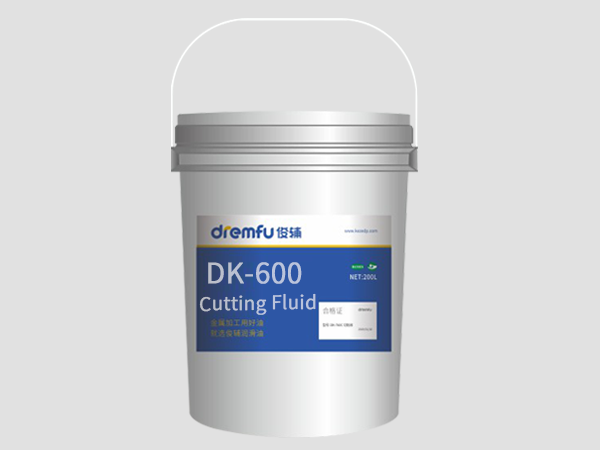
The order in which the fluid is mixed is another important detail.Cutting fluid should always be added into water,not the other way around.Adding water directly into concentrated fluid can result in improper emulsification,creating milky layers,foam,or separation.By slowly adding Inner Circle Cutting Fluid into a container of water while stirring continuously,you ensure that the emulsion forms evenly and maintains long-term stability during operation.This proper emulsification is essential for Inner Circle Glass Cutting Fluid as well,since glass cutting requires extremely consistent fluid flow to prevent cracking and edge defects.
Water quality can also influence the final mixture.Hard water with high mineral content tends to cause deposits,soap-like residue,and unstable pH levels.Using softened water or filtered water helps maintain the integrity of the fluid.When water reacts with additives inside Inner Circle Cutting Fluid,it can also reduce anti-corrosion effectiveness.Many workshops overlook the importance of water quality,but for those seeking maximum tool life and surface finish quality,purified water is always recommended.
Mixing equipment is also an important factor.Manual mixing can work for smaller volumes,but large CNC shops operate more efficiently with automatic mixers or proportioning devices that ensure precise ratios every time.Automatic mixers reduce human error and maintain consistent fluid quality across multiple machines.This is particularly valuable for Inner Circle Cutting Oil,which requires accurate mixing to maintain load-bearing performance in heavy-duty applications.
Once the fluid is prepared,circulation plays a critical role.Before running the machine at full speed,it is important to allow the coolant to circulate through the tank and pipelines for several minutes.This helps remove trapped air bubbles,ensures even distribution of additives,and stabilizes the temperature.Inadequate circulation can cause foaming and inconsistent lubrication during the first few machining cycles.
Monitoring concentration regularly is essential for consistent performance.Evaporation during machining gradually increases fluid concentration.Chips,tramp oils,and contaminants also affect the mixture over time.Using a refractometer is the most reliable method to check concentration weekly.This simple tool ensures that Inner Circle Cutting Fluid remains within the optimal range.Adjustments can be made by adding either water or fresh cutting fluid,depending on the measured value.
Machine cleanliness is another factor that directly affects the quality of the mix.Before adding fresh fluid,it is recommended to thoroughly clean the tank,filter screens,piping,and chip trays.Residue from old cutting fluids may cause chemical incompatibility or bacterial growth.Many workshops skip this step,leading to foaming issues,odor,rust,or filter blockage.Preparing a clean system ensures that the new Inner Circle Cutting Fluid works efficiently from the beginning.
Contamination control is especially important for Inner Circle Glass Cutting Fluid.Glass particles can be extremely fine and abrasive.Without proper filtration,these particles remain suspended in the mixture,scratching surfaces or weakening lubrication.Using good filtration systems and regularly removing sediments keeps the fluid clean and stable.
Temperature also influences cutting fluid performance.Most Inner Circle Cutting Fluid products work best at moderate temperatures.Excessive heat breaks down additives and increases evaporation.Keeping the fluid at stable room temperature helps maintain concentration and prolongs the lifespan of the mixture.
Storage conditions matter as well.Cutting fluid should be stored in sealed containers,away from direct sunlight or extreme temperatures.Exposure to air can oxidize the additives,reducing effectiveness.Proper storage helps Inner Circle Cutting Oil maintain viscosity,prevents bacterial growth in water-based formulas,and keeps the fluid fresh for future use.
When done correctly,proper dilution and mixing offer significant benefits:improved tool life,cleaner surfaces,reduced heat generation,and stable machining performance.Many machining problems—such as rust on workpieces,tool burning,foaming,or foul odors—are often traced back to improper mixing.By following correct dilution ratios,maintaining clean water and equipment,monitoring concentration,and ensuring consistent storage and circulation,manufacturers can achieve the full benefits that Inner Circle Cutting Fluid is designed to provide.
In summary,whether you are using Inner Circle Cutting Fluid,Inner Circle Glass Cutting Fluid,or Inner Circle Cutting Oil,proper dilution and mixing are fundamental to achieving the highest machining performance.Correct preparation ensures that the fluid retains its cooling,lubrication,anti-wear,and anti-corrosion properties throughout the machining process.With consistent monitoring and maintenance,the fluid remains stable and effective,supporting precision machining,extending tool life,and improving production efficiency across various industries.

Guangdong Junfu Lubrication Technology Co., Ltd. is a private science and technology enterprise integrating independent research and development, production, sales and service.
Copyright © 2026 Guangdong Junfu Lubrication Technology Co., Ltd. All rights reserved.