

 English


Blog

2025-12-15 17:44:48
In copper wire drawing and cable manufacturing, lubrication is not just a supporting process—it directly affects product quality, machine stability, and overall production cost. One of the most common questions from manufacturers and buyers is how often copper wire oil should be replaced during production. The answer is not fixed, because replacement frequency depends on operating conditions, oil formulation, and production requirements.
Copper wire oil, also known as copper wire Drawing Oil or wire oil, is designed to reduce friction, control heat, and protect both the wire surface and drawing dies. Over time, however, its performance gradually declines. Understanding when and why replacement is necessary helps manufacturers maintain consistent quality while avoiding unnecessary lubricant waste.
During continuous wire drawing, copper wire oil is exposed to high mechanical stress, elevated temperatures, and contamination from metal particles. As copper wire passes through dies at high speed, fine copper powder, oxides, and debris accumulate in the lubricant. Even high-quality copper cable oil or copper cable lubricant will eventually lose its lubricity if these contaminants are not controlled.
In most standard production environments, copper wire oil is partially refreshed rather than completely replaced every day. Many factories use filtration systems to remove metal particles and extend the service life of copper Wire Drawing Oil. With proper filtration and maintenance, wire oil can typically remain effective for several days or even weeks. However, this does not mean it can be used indefinitely.
One of the first signs that copper wire oil needs replacement is a noticeable change in wire surface quality. If the drawn copper wire appears dull, uneven, or shows fine scratches, lubrication performance may already be compromised. In bright annealed copper wire production, even slight degradation of copper wire oil can lead to visible surface defects after annealing, making timely replacement even more critical.
Another important indicator is temperature control. Fresh copper rod oil and copper wire oil provide stable friction reduction, keeping die and wire temperatures within a controlled range. As wire oil ages, heat dissipation efficiency decreases. Rising die temperatures, increased wire breakage, or abnormal machine vibrations often signal that the lubricant is no longer performing as intended.
Foaming and odor are also practical warning signs. Excessive foaming during circulation or a strong unpleasant smell usually indicates chemical breakdown of copper cable oil additives. When this happens, topping up with fresh lubricant may offer only temporary relief. In such cases, replacing the wire oil entirely is often more cost-effective than risking downtime or quality issues.
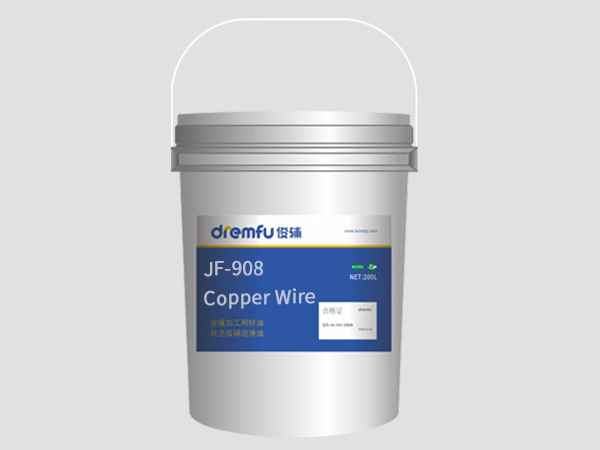
Production speed plays a major role in replacement frequency. High-speed drawing lines place significantly higher stress on copper wire Drawing Oil compared to low-speed or batch operations. In these environments, wire oil may need partial replacement more frequently, sometimes every few days, especially when producing fine or ultra-fine copper wire.
Environmental conditions also matter. High ambient temperatures accelerate oxidation and additive depletion in copper cable lubricant. In hot climates or poorly ventilated workshops, copper wire oil may degrade faster than expected. Conversely, in clean, temperature-controlled environments with effective filtration, copper rod oil and wire oil can maintain stable performance for longer periods.
From a cost perspective, many manufacturers hesitate to replace copper wire oil too often due to lubricant expenses. However, experienced buyers understand that delayed replacement often leads to higher indirect costs. Increased die wear, higher scrap rates, more frequent machine maintenance, and inconsistent wire quality quickly outweigh the cost of fresh copper cable oil.
A practical approach used by professional manufacturers is routine oil condition monitoring. Simple checks such as viscosity measurement, visual inspection, and sediment analysis help determine the actual condition of copper wire oil. Instead of relying solely on time-based replacement schedules, condition-based maintenance ensures optimal performance with minimal waste.
In modern production lines, especially those producing copper cable and electrical wire, a balanced strategy is recommended. Partial replenishment combined with scheduled full replacement ensures that copper wire Drawing Oil remains effective without excessive downtime. This approach stabilizes production quality and extends equipment life.
Ultimately, how often copper wire oil should be replaced depends on production intensity, wire specifications, and quality expectations. What remains consistent across all applications is the importance of proactive maintenance. High-quality copper cable oil, when properly managed, delivers stable lubrication, protects equipment, and ensures smooth production from copper rod to finished wire.

Guangdong Junfu Lubrication Technology Co., Ltd. is a private science and technology enterprise integrating independent research and development, production, sales and service.
Copyright © 2026 Guangdong Junfu Lubrication Technology Co., Ltd. All rights reserved.