

 English


Blog

2026-01-28 10:03:03
Oxidation and carbon deposits are two of the most damaging factors in high-temperature industrial lubrication systems.When lubrication oils are exposed to extreme heat,oxygen,and metal surfaces,chemical reactions occur that degrade oil quality,increase viscosity,form sludge,and create carbonized residue.These problems lead to increased friction,reduced heat transfer,clogged systems,and accelerated equipment wear.
This is why high temp lubricating oil plays a critical role in modern industrial systems.Unlike conventional lubricants,high temp lubricating oil is specifically engineered to resist oxidation,thermal breakdown,and carbon formation under continuous high-temperature operation.
Oxidation occurs when oil molecules react with oxygen at elevated temperatures.This process produces acids,sludge,and varnish-like deposits that attack metal surfaces and reduce lubrication efficiency.Carbon deposits form when oil thermally decomposes and leaves behind solid carbon residue on hot surfaces such as chains,bearings,and furnace components.These deposits restrict movement,block lubrication pathways,and increase friction and heat generation.
High-quality high temp lubricating oil addresses these problems through advanced base oil selection and additive technology.Synthetic base oils such as polyalphaolefins(PAO),esters,and silicones have naturally high oxidation resistance.Their molecular structure remains stable under extreme temperatures,preventing rapid breakdown and chemical degradation.This stability allows the oil to maintain viscosity,lubricating film strength,and thermal performance even in harsh industrial environments.
Additive systems also play a crucial role.Antioxidants slow down oxidation reactions,while dispersants prevent the formation of sludge and carbon deposits by keeping contaminants suspended in the oil.Detergent additives help clean metal surfaces and reduce residue accumulation.Together,these components create a lubrication system that actively resists oxidation and carbon buildup.
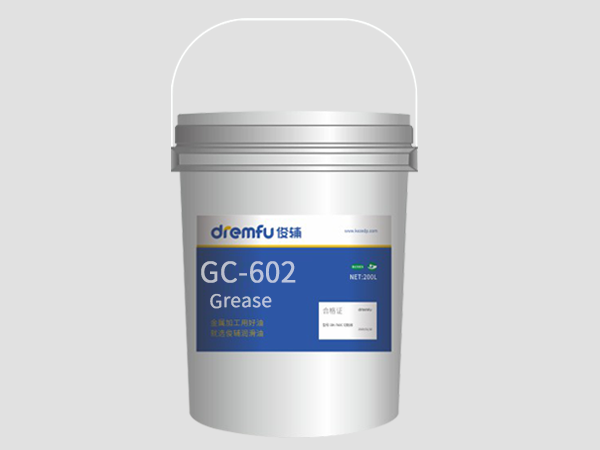
In practical industrial use,high temp lubricating oil significantly reduces deposit formation in equipment such as industrial ovens,conveyor chains,steel processing lines,textile dryers,automotive manufacturing systems,and heat treatment furnaces.By maintaining clean lubrication zones,it improves mechanical efficiency and reduces friction-related heat generation,creating a stable thermal environment for long-term operation.
Another important advantage is thermal cleanliness.High temp lubricating oil formulated for extreme environments burns cleanly at high temperatures,producing minimal residue.This is especially important in chain lubrication systems,where carbon buildup can cause chain stiffening,misalignment,and mechanical failure.Clean-burning properties directly translate into longer service intervals and reduced maintenance costs.
Oxidation control also improves oil lifespan.Standard lubricants degrade rapidly under high heat,requiring frequent oil changes and system cleaning.High temp lubricating oil maintains chemical stability for extended periods,reducing oil consumption and maintenance frequency.This directly impacts operational efficiency and long-term cost control for industrial users.
From a system reliability perspective,reduced oxidation and carbon deposits lead to smoother equipment operation,stable friction coefficients,and consistent mechanical performance.Equipment runs cooler,quieter,and more efficiently,reducing unplanned downtime and extending component lifespan.
For industrial buyers,this means that investing in high-quality high temp lubricating oil is not just a lubrication upgrade—it is a reliability strategy.Cleaner systems mean fewer failures,lower maintenance costs,and higher production stability.
In high-temperature environments,lubrication is not only about friction reduction.It is about chemical stability,thermal control,cleanliness,and long-term protection.High temp lubricating oil addresses all these challenges by combining thermal resistance,oxidation control,and deposit prevention into one integrated solution.
For manufacturers,processors,and industrial operators,choosing the right high temp lubricating oil directly affects production efficiency,equipment safety,and long-term operational performance.In extreme heat conditions,oxidation resistance and carbon deposit control are not optional—they are essential.

Guangdong Junfu Lubrication Technology Co., Ltd. is a private science and technology enterprise integrating independent research and development, production, sales and service.
Copyright © 2026 Guangdong Junfu Lubrication Technology Co., Ltd. All rights reserved.