

 English



Sapphire Rod Digging Coolant vs Sapphire Crystal Wire Cutting Fluid: What's The Difference?
Sapphire Rod Digging Coolant and Sapphire Crystal Wire Cutting Fluid are both designed for machining sapphire's extreme hardness, but they're built for two different processes: rod digging uses diamond tools to bore into sapphire rods, while wire cutting uses a wire saw to slice through sapphire crystal. Because the mechanics of contact are different—continuous tool pressure versus a moving wire under tension—each fluid is formulated with a different set of priorities, even though both share a similar base chemistry.
1. What Each Fluid Is Designed For
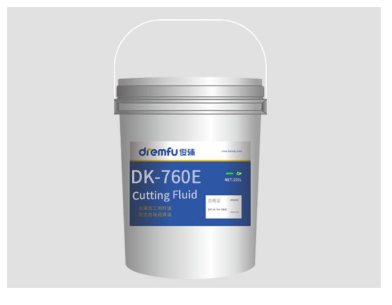
Rod Digging Coolant is formulated for use with diamond tools during the sapphire rod digging process—essentially boring or drilling into sapphire rod stock. Crystal Wire Cutting Fluid is formulated for wire saw cutting, where a thin wire (often diamond-coated) moves continuously through the sapphire to slice it. These are mechanically distinct processes, which is why the two fluids emphasize different performance properties despite sharing a similar pH and viscosity profile.
2. Surface Protection vs. Cutting Visibility
Rod Digging Coolant is built to form a protective film that reduces direct contact between the diamond tool and the sapphire surface, minimizing scratches and surface damage during boring. Wire Cutting Fluid, by contrast, is formulated with high light transmittance as a priority—since wire cutting requires the operator to visually monitor the cutting area in real time, a cloudy or opaque fluid would make it harder to catch problems early.
3. Foaming Control vs. Particle Sedimentation
Rod digging happens at high cutting speeds, which makes foaming a bigger risk—foam disrupts cooling and complicates the boring operation, so Rod Digging Coolant is specifically engineered with strong anti-foaming properties. Wire cutting has a different contamination challenge: the fine sapphire powder generated during cutting needs to settle out rather than staying suspended, since suspended powder can build up on the wire and cause it to snag or break. This is why Wire Cutting Fluid is formulated for strong powder sedimentation rather than anti-foaming as its primary defense.
4. Where Each One Is Used
Rod Digging Coolant is the right fit if your process involves diamond-tool boring into sapphire rods or sheets—common in optical component manufacturing, LED substrate production, and precision instrument parts. Wire Cutting Fluid is the right fit if your process involves wire saw slicing of sapphire crystal boules or ingots—common earlier in the production chain, before rod or wafer-stage processing begins.
Not sure which process your project falls under? Send us your machining method (boring vs. wire cutting) and equipment type, and we'll confirm which fluid fits—we typically respond within 24 hours.
5. Shared Handling Requirements
Despite their different formulations, both fluids follow the same core handling rules: dilute with 10-20 times tap or deionized water, replenish clean working fluid at a 3-5% concentration during use, and never mix with other emulsions, semi-synthetic, or Fully Synthetic Cutting Fluids—even trace residue from a different fluid type can compromise performance. Both are also supplied in the same 18L, 25L, and 200L packaging options.
6. Which One Should You Choose?
The decision comes down to your machining process, not a general quality comparison—these aren't interchangeable substitutes for each other. If diamond tools are boring or shaping sapphire rod stock, Rod Digging Coolant's surface protection and anti-foaming properties are what your process needs. If a wire saw is slicing through sapphire crystal, Wire Cutting Fluid's optical clarity and powder-handling properties are the better match. Using the wrong fluid for your process won't necessarily cause immediate failure, but it can mean more surface defects, reduced tool life, or a higher rate of wire breakage over time.
If you're setting up or troubleshooting a sapphire processing line, sharing your specific equipment and material stage (rod, boule, or wafer) can help confirm the right fluid and dilution ratio for your process.