

 English


Blog

2026-09-14 16:03:40
Choosing the best lubricant for cable pulling depends on the cable type, conduit material, installation distance, pulling tension, and working environment. In most electrical and telecommunications installations, a high-quality water-based cable pulling lubricant is a practical choice because it reduces friction between the cable jacket and conduit wall, lowers pulling tension, and helps prevent damage during installation. However, wax-based, silicone-based, and gel lubricants can also be suitable for specific applications.
When cables must pass through long conduits, multiple bends, or crowded cable trays, friction can become a major installation problem. The right cable pulling lubricant creates a lubricating film between the cable surface and the conduit, allowing the cable to move more smoothly while reducing mechanical stress.
The primary function of a cable pulling lubricant is to reduce the coefficient of friction between the cable jacket and the inside surface of a conduit or duct. During cable installation, the pulling force generated by a winch, pulling rope, or cable puller is transferred to the cable. Without sufficient lubrication, friction can significantly increase the required pulling tension.
A suitable lubricant forms a thin and continuous film on the contact surfaces. This film reduces direct surface-to-surface contact and allows the cable to slide more easily through the conduit. As a result, installers can reduce pulling tension and minimize the possibility of cable jacket damage, stretching, abrasion, or deformation.
For long-distance installations, lubrication becomes even more important. Friction accumulates as the cable travels through the conduit, particularly around bends. The use of an appropriate wire pulling lubricant can make the installation process smoother and improve the overall efficiency of cable placement.
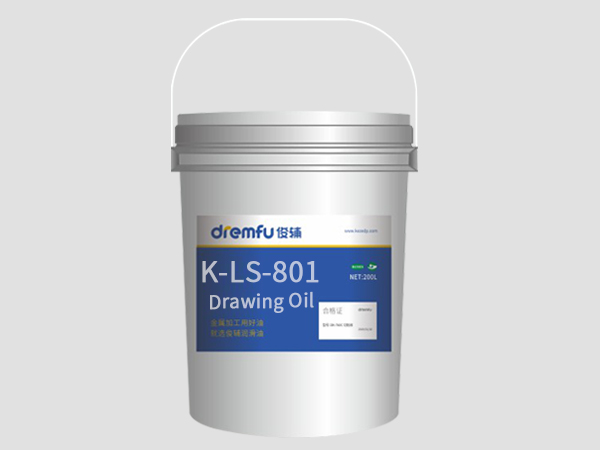
Cable pulling lubricants are formulated from different base materials depending on the required performance and application. The most common types include water-based, gel-based, wax-based, and silicone-based formulations.
Water-based cable pulling lubricants are widely used for general electrical cable installation. They typically contain water, lubricating polymers, surfactants, and other additives designed to improve slipperiness and application performance.
One major advantage is that water-based products are relatively easy to spread and clean. They are commonly used with PVC, polyethylene, XLPE, and other cable jacket materials. After installation, the lubricant can gradually dry or evaporate, depending on the formulation and environmental conditions.
Gel lubricants have a thicker consistency and can provide good coverage on large cables. Their higher viscosity helps the lubricant remain on the cable surface instead of flowing away during installation.
This makes gel-based products useful for vertical runs, long conduit installations, and projects where installers need longer-lasting lubrication. The exact performance depends on the formulation, viscosity, temperature resistance, and compatibility with the cable jacket.
Wax-based cable lubricants are designed to provide persistent lubrication and can be useful for demanding cable pulling applications. They may offer good adhesion to cable surfaces and maintain lubricating properties over relatively long installation distances.
However, wax-based products can be more difficult to remove after installation. Installers should also verify compatibility with the cable jacket and conduit material before use.
Silicone-based lubricants provide excellent slipperiness and can perform well across a relatively wide temperature range. They are often considered for applications where low friction is particularly important.
However, silicone products may not be the best choice for every electrical installation. Certain downstream operations, cable termination processes, or material bonding requirements may make silicone contamination undesirable. Product compatibility should therefore be confirmed before application.
The best lubricant for cable pulling is not necessarily the product with the highest level of slipperiness. A good formulation needs to balance several performance characteristics.
Low coefficient of friction: Reduces the pulling force required to move the cable through the conduit.
Cable jacket compatibility: Prevents softening, swelling, cracking, or other unwanted changes to the cable sheath.
Conduit compatibility: Works effectively with PVC, HDPE, metal, fiberglass, and other conduit materials.
Good coverage: Spreads evenly across the cable surface and maintains adequate lubrication during pulling.
Suitable viscosity: Provides sufficient adhesion without becoming too difficult to apply.
Temperature stability: Maintains performance under the temperature conditions expected during installation.
Easy cleanup: Allows installers to remove excess lubricant without leaving problematic residues.
Long-term material stability: Does not negatively affect cable insulation, jacketing, or conduit materials over time.
The manufacturing process depends on the formulation, but producing a professional-grade cable pulling lubricant generally involves several controlled stages.
First, the manufacturer selects the base liquid or carrier system. For water-based products, purified or treated water is commonly used as the main carrier. Lubricating polymers, surfactants, thickeners, and performance additives are then selected according to the target application.
During mixing, raw materials are introduced into a controlled mixing vessel at specified ratios. Agitation must be carefully controlled to ensure that polymers and other additives are evenly dispersed. For gel formulations, the viscosity must be carefully managed because excessive thickening can make the lubricant difficult to distribute along the cable.
After mixing, the formulation may undergo homogenization or additional blending to achieve consistent texture and performance. Manufacturers can then test important properties such as viscosity, pH, stability, friction-reduction performance, and material compatibility.
Quality control is particularly important because inconsistent lubricant performance can result in uneven cable pulling tension. A professional manufacturer may conduct batch testing before filling the finished product into bottles, containers, buckets, or bulk packaging.
The most obvious benefit is reduced friction. When friction between the cable and conduit is lowered, installers can pull cables with less force. This is especially valuable when working with long conduit runs or multiple directional changes.
Another important benefit is cable protection. Excessive pulling tension can damage the outer jacket or place unnecessary stress on the cable structure. Lubrication helps reduce mechanical resistance and can lower the risk of abrasion and jacket damage.
Lubricants can also improve installation efficiency. A cable that moves smoothly through a conduit requires less interruption during installation and can reduce the physical effort required from workers.
For large-scale commercial, industrial, telecommunications, data center, and infrastructure projects, these advantages can become particularly significant because cable installation may involve hundreds or thousands of meters of cable.
Although cable pulling lubricant provides important benefits, it is not suitable to assume that every lubricant works with every cable.
The first concern is material compatibility. Some formulations may interact negatively with certain cable jacket compounds, insulation materials, or conduit surfaces. Therefore, installers should always check the manufacturer's compatibility information before applying a product.
Another limitation is temperature. Some water-based lubricants may lose performance when exposed to very low temperatures, while certain high-temperature applications may require specialized formulations.
Residue can also be an issue. If excessive lubricant remains on the cable after installation, it may interfere with subsequent cable termination, sealing, bonding, or maintenance operations. Choosing a lubricant designed for the specific installation environment can help minimize this problem.
Cable pulling lubricants are used across a wide range of electrical and communication infrastructure projects.
Electricians commonly use lubricants when pulling power cables through PVC or metal conduits. The lubricant reduces pulling resistance and helps protect cable jackets during installation.
Long-distance telecommunications cable installations may involve underground ducts, multiple bends, and long pulling distances. Proper lubrication can help control installation tension and reduce mechanical stress on sensitive cable structures.
Data center projects often require large quantities of communication and power cables to be routed through carefully organized pathways. Lubrication can help installers place cables efficiently while minimizing unnecessary mechanical force.
Factories and industrial plants frequently use complex conduit systems containing long cable runs. In these environments, cable pulling lubricant can help simplify installation around bends, vertical sections, and congested cable routes.
Underground electrical and communication ducts can involve considerable installation distances. A suitable lubricant helps reduce friction between the cable and duct wall, making long-distance cable pulling more manageable.
Before selecting a lubricant, installers should consider the cable jacket material, conduit material, cable diameter, pulling distance, number of bends, ambient temperature, and installation method.
For general-purpose electrical installations, a water-based cable pulling lubricant is often a practical starting point because it provides good lubrication while offering relatively easy cleanup. For heavy-duty or long-distance applications, a high-viscosity gel or specialized lubricant may provide better coverage and staying power.
For sensitive applications, material compatibility should take priority over simply choosing the product with the lowest friction coefficient. The lubricant should be tested or approved for use with the specific cable jacket and conduit materials involved.
Using the correct amount of lubricant is important. Too little lubricant may not provide adequate friction reduction, while excessive application can create unnecessary mess and residue.
Before pulling, installers should apply the lubricant evenly to the cable surface or inside the conduit according to the product manufacturer's instructions. For long cable runs, additional lubricant may be required at strategic points along the installation path.
The pulling operation should also be monitored for excessive tension. Lubrication is not a replacement for correct cable pulling equipment, proper bending radius, suitable pulling rope, or appropriate installation procedures.
For demanding projects, installers should consider using a dynamometer or cable tension monitoring system to ensure that the pulling force remains within the cable manufacturer's recommended limits.
So, what is the best lubricant for cable pulling? For many standard electrical and telecommunications installations, a high-quality water-based cable pulling lubricant offers a good combination of friction reduction, cable compatibility, easy application, and cleanup. However, gel-based, wax-based, and silicone-based lubricants can be better suited to specific installation conditions.
The best choice should always be based on the complete installation environment rather than lubricant type alone. Cable jacket material, conduit construction, pulling distance, temperature, coefficient of friction, viscosity, and residue characteristics all influence performance.
By selecting a compatible lubricant and applying it correctly, contractors can reduce pulling tension, protect cable jackets, improve installation efficiency, and achieve more reliable cable installation results.
A high-quality water-based cable pulling lubricant is suitable for many electrical cable installations. However, the final choice should be based on cable jacket and conduit compatibility, installation distance, temperature, and pulling conditions.
Regular oil should not be used unless it is specifically approved for cable pulling and compatible with the cable jacket. Petroleum-based oils can negatively affect certain cable insulation and jacket materials.
A properly formulated and compatible cable pulling lubricant should not damage cable insulation. Installers should always check the manufacturer's compatibility recommendations before use.
Neither is universally better. Water-based lubricants are commonly preferred for general installations because of their application and cleanup characteristics, while silicone-based products can provide very low friction in certain specialized applications.
Lubrication reduces friction between the cable and conduit, which lowers pulling tension and helps minimize abrasion, jacket damage, and mechanical stress during cable installation.

Dongguan Keze New Materials Co., Ltd. is a private science and technology enterprise integrating independent research and development, production, sales and service.
Copyright © 2026 Guangdong Junfu Lubrication Technology Co., Ltd. All rights reserved.